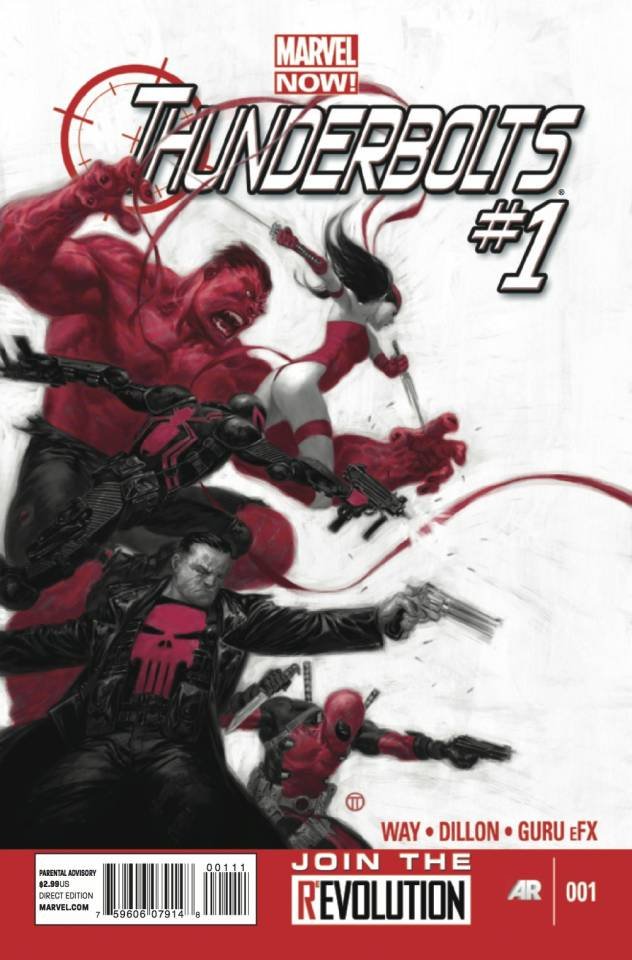
Imagine a world rocked by the apparent deaths of its greatest heroes, the Avengers and Fantastic Four. Hope seems lost, until a new team emerges, promising to fill the void: the Thunderbolts. They fight with valor, speak with conviction, and quickly win the public's trust. But what if their heroic facade was nothing more than an elaborate deception, orchestrated by one of Marvel's most cunning supervillains? That's the electrifying premise that launched the Thunderbolts comic, a series that has continually redefined what it means to be a hero—or a villain—in the Marvel Universe.
The initial shock of Thunderbolts #1 remains one of the greatest reveals in comic book history. Readers discovered that these supposed new heroes were, in fact, Baron Helmut Zemo's Masters of Evil in disguise, hoping to gain public trust and access to SHIELD resources. This revolutionary concept immediately set the Thunderbolts apart, exploring themes of redemption, public perception, and the fine line between good and evil. To truly appreciate this groundbreaking beginning, you'll want to Explore Thunderbolts comic history in detail, tracing its journey from that pivotal debut to its many subsequent iterations.
The Shifting Faces of Justice: Who Were the Thunderbolts?
The most compelling aspect of the Thunderbolts has always been its rotating cast of characters, many of whom started as outright villains. From the original lineup of Zemo (as Citizen V), Moonstone (Meteorite), Atlas (Goliath), Songbird (Screaming Mimi), MACH-1 (Beetle), and Techno (Fixer), the team's dynamics were always fraught with tension. Would they maintain the charade, or would the taste of heroism prove too intoxicating to resist? Many characters eventually chose the path of genuine heroism, leading to fascinating character arcs.
Over the years, the team's roster has swelled with an incredible array of Marvel's most complex figures. Iconic leaders like Hawkeye and Luke Cage stepped in to guide them toward true reform, while darker figures like Norman Osborn twisted the team into a government-sanctioned weapon. Later, even the Winter Soldier took the reins, attempting to use former villains for proactive good. To get a full grasp of the ever-evolving lineups and the rich backstories of these morally ambiguous heroes and villains, we invite you to Explore Thunderbolts characters and rosters.
From Deception to Redemption: Unforgettable Story Arcs
The Thunderbolts' journey is a tapestry woven with countless high-stakes conflicts, moral dilemmas, and surprising turns. After turning on Zemo, the original team became fugitives, struggling to prove their newfound heroism. Hawkeye's leadership era saw them battle the Crimson Cowl and navigate the treacherous path to a pardon. But it wasn't always about redemption.
The Post-Civil War era brought a dramatic shift when Norman Osborn seized control, transforming the Thunderbolts into a ruthless anti-registration task force. His reign culminated in the "Dark Reign" saga, where the team's darker impulses were fully unleashed. Later, Luke Cage led a rehabilitative team within the Raft prison, attempting to reform the worst of the worst. More recently, we've seen Red Hulk lead a black-ops team, Wilson Fisk deploy them as his mayoral enforcers, and even Bucky Barnes assemble a covert unit for "New Revolution." Each period presents a unique take on the Thunderbolts' core concept, offering a thrilling ride for readers. You can dive deeper into these epic sagas by exploring the Major Thunderbolts Storylines & Arcs.
Beyond the Blasts: Analyzing the Thunderbolts' Core Themes
What truly elevates the Thunderbolts comic beyond a simple superhero action series is its profound exploration of complex themes. At its heart, the series questions the very nature of heroism. Can a villain truly change? Does public perception dictate identity? Is justice a lightning bolt, striking swiftly, or a slow, arduous journey of self-discovery? The team constantly grapples with their past misdeeds, the judgment of society, and their own internal struggles to do what's right—or at least what serves their current agenda.
The series offers a nuanced look at the concepts of second chances, forgiveness, and the corrupting influence of power. Whether they are genuinely seeking atonement, being manipulated by those in charge, or simply finding a more socially acceptable outlet for their destructive tendencies, the Thunderbolts always force readers to confront uncomfortable questions about morality. For a deeper dive into these fascinating philosophical discussions and how the comics tackle them, be sure to read our Thematic Analysis of the Thunderbolts.
The Thunderbolts Strike the Big Screen: From Comics to MCU
The enduring appeal of the Thunderbolts concept is so powerful that it's now set to make a massive impact on the Marvel Cinematic Universe. The upcoming Thunderbolts movie draws inspiration from several eras of the comic's rich history, featuring a team assembled by La Contessa Valentina Allegra de la Fontaine. This roster includes familiar faces like Bucky Barnes (Winter Soldier), Yelena Belova (Black Widow), Taskmaster, U.S. Agent, Red Guardian, and Ghost, echoing the comic's tradition of bringing together morally grey characters for clandestine operations.
The MCU adaptation is poised to bring the original comic's core twist of villains operating under a new banner to a global audience, combined with elements of government-sanctioned teams seen in later comic runs. It’s a testament to the versatility and timelessness of the Thunderbolts' premise that it can be reinterpreted for a new medium while staying true to its thematic roots. To fully prepare for their cinematic debut and understand the comic book foundations influencing the film, you’ll want to Explore Thunderbolts in the MCU.
The Thunderbolts comic is more than just a series about super-powered individuals; it's a mirror reflecting our own complex understanding of good and evil, redemption, and what it truly means to be a hero in a world that often demands simple answers. As new iterations continue to emerge in both comics and film, one thing remains clear: the legacy of "Justice, Like Lightning..." will keep striking readers and viewers with its thrilling, morally ambiguous tales for years to come.